


Anyang Jiashike Metal Co.,LTD,as the leading manufacturer of ferroalloy materials in China.It is a comprehensive enterprise integrating scientific research, processing and production, and import and export trade.It has more than 20 years of experience in the professional field and uses advanced technology and professional equipment. , produces high-quality metals and alloys, and its business scope involves metallic silicon, ferrosilicon, silicon-calcium alloy, silicon-carbon alloy, natural graphite powder and other products.
Company advantages
Rich Experience
Our company has many years of production work experience. The concept of customer-oriented and win-win cooperation makes the company more mature and stronger.
Advanced Equipment
Equipment based on the latest technological developments has higher efficiency, better performance and stronger reliability.
Competitive Price
We have professional sourcing team and cost accounting team, stive to reduce cost and profit and provide you a good price.
Quality Control
We have built a professional QC team to accurately inspect every raw material and every process of production.

An iron alloy composed of iron, iron, and silicon (using silica, steel, and coke as raw materials, and silicon reduced at a high temperature of 1500 to 1800 degrees Celsius is melted into molten iron to form a ferrosilicon alloy). It is an important alloy variety in the smelting industry.

Silica-calcium alloy is a composite alloy composed of silicon, calcium and iron, which is an ideal compound deoxidizer and desulfurizer. It is widely used in the production of low carbon steel, stainless steel and other steel grades and special alloys such as nickel base alloy and titanium base alloy. It is suitable to be used as a warming agent for converter steelmaking workshop. It can also be used as inoculant of cast iron and additive in ductile iron production.

Silicon carbide alloy material is a type of advanced ceramic material that is used in various applications due to its unique properties. It is a combination of silicon and carbon, making it a highly durable and corrosion-resistant material.

Magnesium ingot alloy material is a lightweight and high-strength material that is widely used in various industries. The material is composed of magnesium and other metals, such as aluminum, zinc, manganese, and silicon, which improve its mechanical properties and corrosion resistance.

Metal Alloy Silicon Calcium Alloy Ferro Silicon Calcium/Fesica
CaSi alloy is the compound alloy which is composed by silicon, calcium and ferrum. It's an ideal compound deoxidizer and desulfurizer which can be widely used in the production of steels such as high-quality steel, low-carbon steel, stainless steel and special alloys such as nickel base alloy, titanium base alloy. CaSi alloy can also be applied as the heat-raiser for converter steelmaking, the inoculant for cast iron production and addictive for nodular cast iron production.

Use Of High Quality Silicon Calcium Alloy /CaSi
CaSi alloy is the compound alloy which is composed by silicon, calcium and ferrum. It's an ideal compound deoxidizer and desulfurizer which can be widely used in the production of steels such as high-quality steel, low-carbon steel, stainless steel and special alloys such as nickel base alloy, titanium base alloy. CaSi alloy can also be applied as the heat-raiser for converter steelmaking, the inoculant for cast iron production and addictive for nodular cast iron production.

Factory Direct Sales Of High Quality Silicon Calcium Alloy
CaSi alloy is the compound alloy which is composed by silicon, calcium and ferrum. It's an ideal compound deoxidizer and desulfurizer which can be widely used in the production of steels such as high-quality steel, low-carbon steel, stainless steel and special alloys such as nickel base alloy, titanium base alloy. CaSi alloy can also be applied as the heat-raiser for converter steelmaking, the inoculant for cast iron production and addictive for nodular cast iron production.

Factory Sale Casting Iron Use Casi Powder Calcium Silicon Alloy 30/60 28/55
CaSi alloy is the compound alloy which is composed by silicon, calcium and ferrum. It's an ideal compound deoxidizer and desulfurizer which can be widely used in the production of steels such as high-quality steel, low-carbon steel, stainless steel and special alloys such as nickel base alloy, titanium base alloy. CaSi alloy can also be applied as the heat-raiser for converter steelmaking, the inoculant for cast iron production and addictive for nodular cast iron production.

Factory Direct Sales Of High Quality Metal Silicon/Silicon Metal441
Silicon Metal 441 Silicon metal 441 is JSK`s hot product,Silicon metal grade 441, with a silicon content of 99%. The contents of iron, aluminum, and calcium are 0.4%, 0.4%, and 0.1%.

Silicon metal is a grey and lustrous semi-conductive metal that is used to manufacture steel, solar cells, and microchips. Silicon is the second most abundant element in the earth's crust (behind only oxygen) and the eighth-most common element in the universe.Silicon metal is a grey and lustrous semi-conductive metal that is used to manufacture steel, solar cells, and microchips. Silicon is the second most abundant element in the earth's crust (behind only oxygen) and the eighth-most common element in the universe. Nearly 30 percent of the weight of the earth's crust can be attributed to silicon.
Benefits of Industrial Silicon
High temperature resistance
Silicon metal can be used in the production of refractory materials and powder metallurgy industry. The silicon metal powder can improve the high temperature resistance of the product during smelting, which is usually required by the steel industry.
High durable
The silicon metal can improve the wear resistance of the castings in the production of some wear-resistant castings. The silicon metal powder uses can effectively improve the service life and quality of the castings.
Deoxidation
The silicon metal contains a certain amount of silicon which can affinity-produce oxygen to produce silica, and reduces the reaction ability during smelting while deoxidizing. It make sure deoxidation much safer!
Silicone industry
The silicon metal can participate in the synthesis of silicone polymers. And we can produce high quality silicon monomer, silicone rubber, silicone oil and other products through silicon metal powder.
Metallurgical foundry industry
In the metallurgical foundry industry, silicon metal has also been widely used. In the steel making process, silicon metal powder can be used as a deoxidizer, alloy additive and so on. And the effect is very significant. Meanwhile, the silicon metal powder can also be used in the production of castings as inoculant uses.
What are the Applications of Industrial Silicon
Silicon metal is mainly used for aluminum ingot foundry
Silicon metal can improve the already useful properties of aluminum such as castability, hardness and strength. Adding silicon metal to aluminium alloys makes them strong and light.So, they are increasingly used in the automotive industry. Used to replace heavier cast iron parts. Automotive parts such as engine blocks and tire rims are the most common cast aluminum silicon parts.
Silicon metal is mainly used for solar industry and electronics industry.
Silicon metal can also be used as essential material in the solar and electronics industries. For examples, it can be used in the manufacture of solar panels, semi-conductors and silicon chips.
Silicon metal is mainly used for Production of silicone rubber, silicone resin, silicone oil, etc.
The above is a few details about the use of silicon metal by Hensfate Metal. I hope it will be helpful to you. We are a silicon metal manufacturer. We can customize various particle sizes according to your requirements. Welcome to consult at any time.
The classification of metallic silicon is usually classified according to the content of iron, aluminum and calcium,silicon metal is rich in silicon and is widely used in steel making, casting foundry, aluminium ingot production, purification and other industries.The content of different silicon metal grades varies and their applications are very different. The main common grades of silicon metal are 441, 553, 3303 and 2202, but in addition to these grades there are some lesser known grades, such as 421, 411 and 1101.
Metal silicon 441, 553 is mainly used for smelting in aluminum foundries.They can improve the already useful properties of aluminum such as castability, hardness and strength. Adding silicon metal to aluminium alloys makes them strong and light.Therefore, the sales of metal silicon 441 and 553 account for a relatively large proportion in the market.


The silicon metal is mainly composed of silicon, so it has similar properties to silicon.Silicon has two allotropes: amorphous silicon and crystalline silicon.Amorphous silicon is a gray-black powder that is actually a microcrystal.Crystal silicon has the crystal structure and semiconductor properties of diamond, melting point 1410℃, boiling point 2355℃, Mohs hardness 7, brittle.Amorphous silicides are active and can burn violently in oxygen.It reacts with non-metals such as halogens, nitrogen and carbon at high temperatures, and can also react with metals such as magnesium, calcium and iron to produce silicides.Amorphous silicon is almost insoluble in all inorganic and organic acids, including hydrofluoric acid, but soluble in the mixture of nitric acid and hydrofluoric acid.The concentrated sodium hydroxide solution dissolves amorphous silicon and gives off hydrogen gas.Crystal silicon is less reactive and does not combine with oxygen even at high temperatures. It is also insoluble in either inorganic or organic acids, but soluble in a mixture of nitric and hydrofluoric acids as well as in concentrated sodium hydroxide solutions.
Manufacturing Process of Industrial Silicon
The Reduction Process
The raw materials are weighed and then placed into the furnace through the top using the fume hood, buckets, or cars. A typical batch contains 1000 lb (453 kg) each of gravel and chips, and 550 lb (250 kg) of coal. The lid of the furnace, which contains electrodes, is placed into position. Electric current is passed through the electrodes to form an arc. The heat generated by this arc (a temperature of 4000° F or 2350 ° C) melts the material and results in the reaction of sand with carbon to form silicon and carbon monoxide. This process takes about six to eight hours. The furnace is continuously charged with the batches of raw materials.While the metal is in the molten state, it is treated with oxygen and air to reduce the amount of calcium and aluminum impurities. Depending on the grade, silicon metal contains 98.5-99.99% silicon with trace amounts of iron, calcium and aluminum.
Cooling/Crushing
Oxidized material, called slag, is poured off into pots and cooled. The silicon metal is cooled in large cast iron trays about 8 ft (2.4 m) across and 8 in (20 cm) deep. After cooling, the metal is dumped from the mold into a truck, weighed and then dumped in the storage pile. Dumping the metal from the mold to the truck breaks it up sufficiently for storage. Before shipping, the metal is sized according to customer specifications, which may require a crushing process using jaw or cone crushers.
Packaging
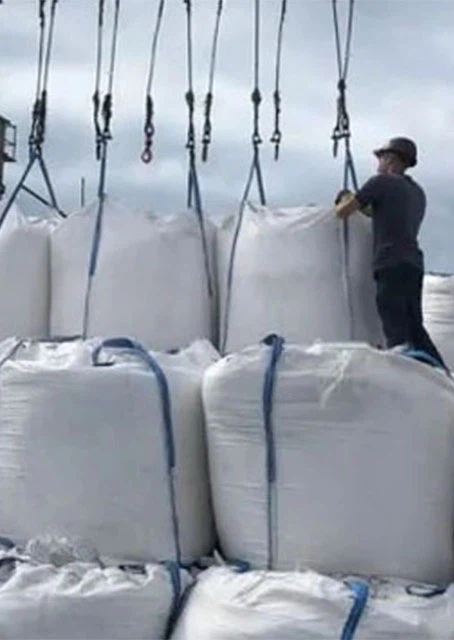
Silicon metal is usually packaged in large sacks or wooden boxes weighing up to 3,000 lb (1,361 kg). In powder form, silicon is packaged in 50-lb (23-kg) plastic pails or paper bags, 500-lb (227-kg) steel drums or 3,000-lb (1,361-kg) large sacks or boxes.
Quality Control
Statistical process control is used to ensure quality. Computer-controlled systems are used to manage the overall process and evaluate statistical data. The two major process parameters that must be controlled are amounts of raw materials used and furnace temperatures. Laboratory testing is used to monitor the chemical composition of the final product and to research methods to improve the composition by adjusting the manufacturing process. Quality audits and regular assessments of suppliers also ensure that quality is maintained from extraction of raw materials through shipping of the final product.
How to Choose Industrial Silicon
Factor 1: Silicon Content
The heart of Ferro Silicon lies in its silicon content. The higher the silicon content, the greater the alloy's ability to deoxidize and desulfurize molten steel, enhancing its quality and durability. Opting for Ferro Silicon with an optimal silicon percentage can significantly impact the final product's performance.
Factor 2: Aluminum and Calcium Content
The presence of aluminum and calcium in Ferro Silicon can greatly influence its behavior during the steelmaking process. These elements play a crucial role in controlling the alloy's reaction with oxygen and sulfur, ensuring smoother operations and improved steel quality.
Factor 3: Particle Size Distribution
The particle size distribution of Ferro Silicon particles affects its dissolution rate and reaction kinetics. By selecting Ferro Silicon with a well-defined particle size distribution, manufacturers can ensure consistent and efficient alloying, leading to uniform steel properties.
Factor 4: Impurity Levels
Impurities might be inevitable, but minimizing their presence is key. Unwanted impurities can adversely affect the alloy's performance, leading to unpredictable outcomes in the steel production process. Opting for Ferro Silicon with low impurity levels guarantees a smoother and more controlled manufacturing process.
Factor 5: Manufacturer Reputation
Trustworthy sourcing is the backbone of quality assurance. Choosing a reputable Ferro Silicon manufacturer with a proven track record of producing high-quality alloys is a strategic move. A reliable supplier can provide consistent product quality, technical support, and tailored solutions to meet specific production needs.
Industrial Silicon Production Process
Carbothermal method
The production of metallic silicon adopts the carbothermal method, which is a method of smelting silicon dioxide and carbon reducing agent in a submerged arc furnace. The silicon purity of this product is 97% to 98%, so silicon can generally be used for metallurgical purposes.
If you want to obtain higher-grade silicon, you need to refine it to remove impurities and obtain metallic silicon with a purity of 99.7% to 99.8%. Using quartz sand as raw material to smelt metallic silicon includes quartz sand blocks, preparation of furnace materials, and submerged arc furnace smelting several times. steps. Generally speaking, high-quality quartz sand will be directly used to produce high-end quartz glass products, or even processed into gem-grade products such as crystal, tourmaline and other products. The grade is slightly worse but the reserves are larger, the mining conditions are slightly better, the surrounding electricity prices are cheaper, and metal silicon is produced.
How to Maintain Industrial Silicon
Storage environment
Metal silicon needs to be stored in a dry, ventilated, and pollution-free place, preferably in a sealed container to prevent it from contacting with moisture and impurities in the air. If the storage environment is not good, metal silicon may absorb too much moisture and impurities, which will affect its effect.
Storage time
If metal silicon is not well protected for a long time, problems such as oxidation and pollution may occur, resulting in a decline in its performance. Therefore, before use, the appearance and quality of metal silicon should be checked first to ensure that it is of good quality.
Use environment
The use environment of metal silicon will also affect its service life. If it is used in high temperature, humid, acidic or alkaline environment, it will cause rapid oxidation and degradation of metal silicon, thereby reducing its effect. Therefore, before use, it is necessary to evaluate the use environment and select a suitable metal silicon material.
Storage temperature requirements for metallic silicon
Temperature is also one of the key factors to pay attention to when storing metallic silicon. The storage temperature should generally be controlled below minus 20 degrees Celsius, which can effectively extend the service life of metal silicon.
Our factory
Anyang Jiashike Metal Co.,LTD,as the leading manufacturer of ferroalloy materials in China.It is a comprehensive enterprise integrating scientific research, processing and production, and import and export trade.It has more than 20 years of experience in the professional field and uses advanced technology and professional equipment. , produces high-quality metals and alloys, and its business scope involves metallic silicon, ferrosilicon, silicon-calcium alloy, silicon-carbon alloy, natural graphite powder and other products.



FAQ
Q: Is a silicon a metal?
Q: What does silicon do to metal?
Q: What are the applications of silicon metal?
Q: Is silicon a nonmetal or a metal?
Silicon is neither metal nor non-metal; it's a metalloid, an element that falls somewhere between the two. The category of metalloid is something of a gray area, with no firm definition of what fits the bill, but metalloids generally have properties of both metals and non-metals.
Q: What does silicon react badly with?
Q: Does silicon react with anything?
Q: How is silicon metal made?
Q: Why silicon is used in steel?
Q: Is silicon a magnetic material?
Q: What are 3 important uses of silicon?
Q: What things are made of silicon metal?
Q: Does silicon metal react with water?
Q: Why is silicon so special?
Q: Does silicon react with fire?
Q: Does silicon react with steel?
Q: Is silicon flammable or explosive?
Q: Is silicon metal valuable?
Q: Is silicon useful to humans?
Q: What is silicon used for in humans?
Q: Is silicon natural or man made?
Hot Tags: Industrial Silicon, China Industrial Silicon manufacturers, suppliers, factory, Calcium Metal, Silicon Manganese, high carbon ferro manganese, , Silicon Aluminium Alloy, Ferro Silicon


